Bin day is one of the small certainties of a Norfolk week, right up until the rounds get redrawn. Households across the county have been finding unfamiliar dates on their calendars, and on some streets the recycling lorry now rumbles past on a morning it has never used before.
The rules themselves haven't changed much. Once you know which bin goes out when, and what each one will actually take, the rest settles into routine. Here is a plain-English guide to the revised schedule.
Why the rounds have changed
Collection routes get reworked for ordinary reasons. New housing estates appear on roads that were fields when the round was first drawn up. Crews are asked to cover more properties with the same vehicles, and councils try to cut the miles driven between streets to save fuel and time.
For most households that means a shift of a day or two, or a move from one round to another. It rarely means a brand new system. The practical consequence is simple: the day your neighbour has relied on for years may no longer apply to you, and the day printed on an old fridge magnet certainly doesn't. Check rather than assume.
How to find your new collection day
Norfolk's waste collection is run district by district, so there is no single county-wide calendar. Your starting point is the website of your own district council, not a national page or a leaflet from a neighbouring area.
- Use the postcode lookup. Most council sites have a box where you enter your postcode and house number and get your next few collection dates instantly.
- Read the letter. If a leaflet or card came through the door, keep it. It usually shows the old day and the new one side by side, which is the quickest way to spot a change.
- Write it somewhere you'll see it. A note on the fridge or a recurring phone reminder the evening before beats trying to remember whether it's Tuesday or Wednesday.
- Set the reminder for the night before. Bins normally need to be out by the time your council states, often around 7am. Crews can arrive early, and once they've passed your street they won't come back.
- Check bank holiday weeks separately. Collection days often shift by a day or two around public holidays, even when the rest of the month is unchanged.
Bring the bin back in the same day if you can. Bins left on pavements block pushchairs and wheelchairs, and they're an easy target in windy weather.
What goes in each bin
Bin colours vary between districts, so the label on the lid matters more than the colour. The categories, though, are fairly consistent across Norfolk.
General waste
Usually the grey or green bin. This is for the things that genuinely can't be recycled: nappies, pet waste, broken crockery, polystyrene, used kitchen film, and the general sweepings of a household. Use it as your last resort rather than your first, and don't treat it as overflow when the recycling bin is full.
Mixed recycling
Usually blue. Paper and card, plastic bottles and tubs, food tins, drink cans, foil and, in many areas, cartons. Rinse anything that held food, but there's no need to scrub it clean or remove every label. Squash bottles to make room. Your council's leaflet will say whether lids should stay on.
Glass is the one to watch. In much of Norfolk it isn't collected in the kerbside recycling bin, so bottles and jars go to a bottle bank or household recycling centre instead. Check your district's guidance before you fill the blue bin with them.
Garden waste
Usually brown, and usually a paid subscription rather than an automatic service. Grass cuttings, hedge trimmings, leaves and thin branches are fine. Soil, rubble, plant pots, food scraps and plastic bags are not, and a bag of the wrong material can mean the whole load is refused.
Food waste caddy
The small caddy, often collected weekly. Raw and cooked food both belong here, including meat, fish, dairy and plate scrapings. Line it with a compostable liner or a sheet of newspaper to keep it manageable, and give it a rinse now and then, especially in summer.
What quietly ruins a recycling load
Most contamination isn't deliberate. It's the odd item dropped in because it looks recyclable. These are the usual culprits:
- Soft plastics. Bread bags, crisp packets, cling film and carrier bags tangle in sorting machinery. Take them to a supermarket collection point instead.
- Batteries and vapes. These are a genuine fire risk in collection vehicles and at processing sites. Keep them out of every bin and take them to a shop or recycling centre that accepts them.
- Textiles. Clothing and bedding go to charity banks or a household recycling centre, not the recycling bin.
- Greasy pizza boxes. The clean lid can be recycled. The oily base cannot, so tear it off and bin it.
- Black bags in the recycling bin. Crews can't see what's inside, so the bag is treated as rubbish and may take the load down with it.
- Nappies, wipes and cotton buds. None of these belong anywhere near recycling.
If you're unsure about a single item, the general rule is to leave it out. A contaminated load can be rejected at the kerbside, and repeated rejections on one street can affect the whole round.
If your bin isn't collected
It happens, especially in the first weeks of a new round while crews learn unfamiliar streets. Work through this before you ring anyone:
- Wait until the end of the day. On new routes, lorries often run later than usual.
- Check the basics. Was it out on time, was it the right bin for that week, and was the lid closed?
- Look at your neighbours' bins. If the whole street was missed, the crew may have been diverted or a vehicle may have broken down.
- Report it. Most councils have an online form for missed collections. Use it rather than phoning, and log it within the window your council sets, often a day or two.
- Follow the instructions you get back. You'll usually be told either to leave the bin out or to put it out again on a specific day.
It's worth reporting even a single miss. Patterns of missed collections on one road are how councils spot a route that needs adjusting.
Five things to sort this week
- Confirm your collection day on your district council's website and note it somewhere visible.
- Set a phone reminder for the evening before, so nothing depends on memory.
- Read the label on each bin and check what your council accepts — especially glass and cartons.
- Find your nearest bottle bank and household recycling centre for glass, batteries and bulky items.
- Keep a small container by the door for batteries and old cables, then drop them off next time you're passing a collection point.
None of this takes long, and it's the difference between a bin that's emptied on schedule and one that sits on the pavement for another fortnight. If your circumstances are unusual — a shared bin store, a care home, a house with medical waste — ring your district council's waste team directly and ask how the new round applies to you.
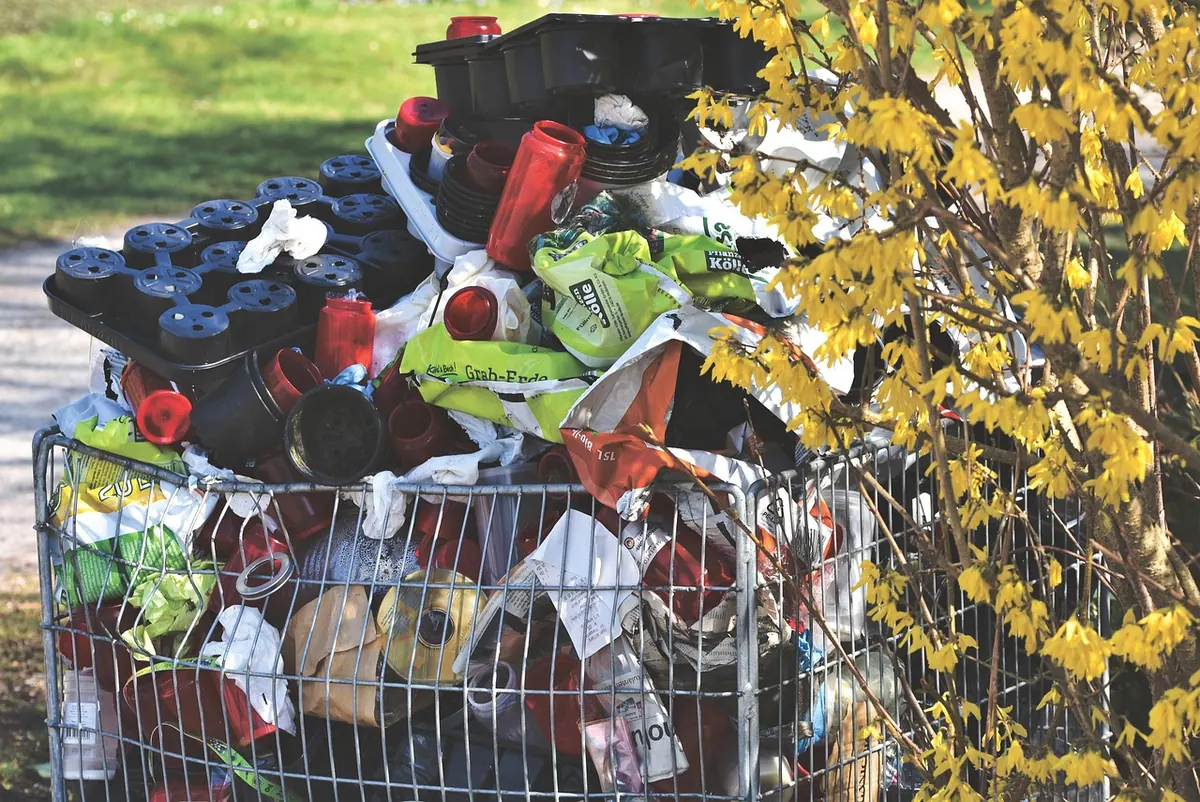
Photo: Ralphs_Fotos / Pixabay